Organic Farming: The New Agricultural Revolution in India
organic-farming
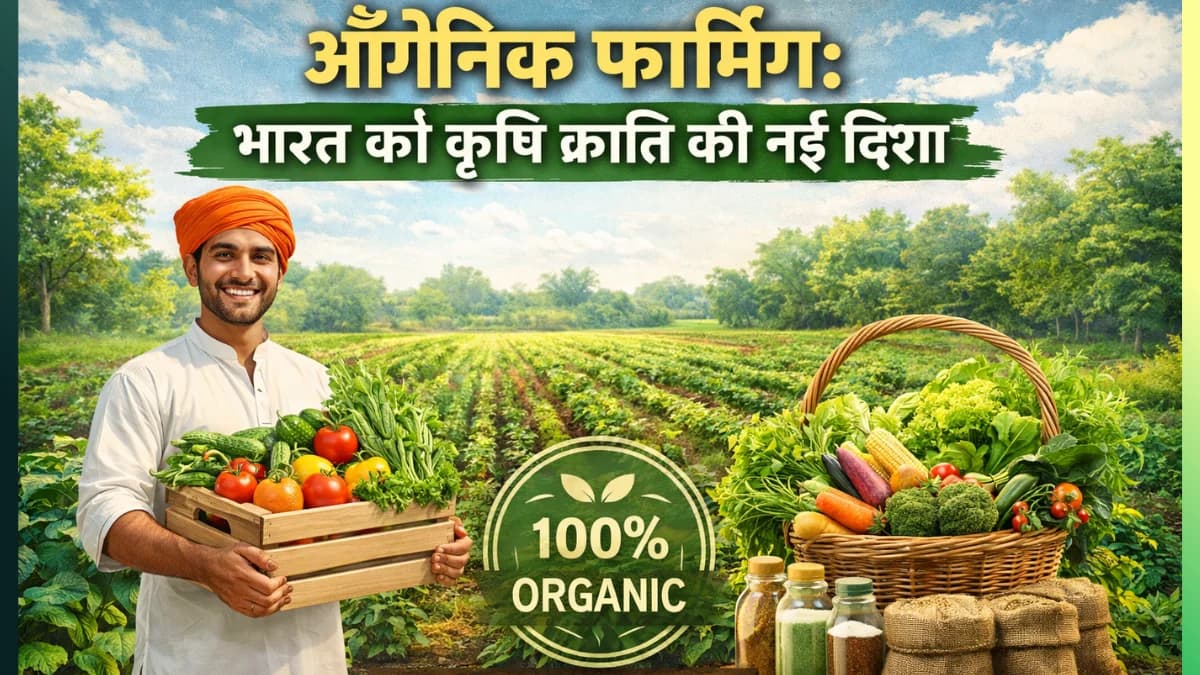
Organic farming is a sustainable agricultural practice that avoids chemical fertilizers and pesticides and focuses on natural farming methods.
KhetiwadiUpdated 18 March 20262 min read451 views
Organic farming is becoming increasingly popular in India's agricultural sector. The excessive use of chemical fertilizers and pesticides has negatively affected soil fertility and the environment. As a result, organic farming is emerging as a sustainable and eco-friendly alternative.
Organic farming relies on natural inputs such as compost, organic manure, crop rotation, and biological pest control instead of chemical fertilizers and pesticides.
This farming system improves soil health, reduces environmental pollution and produces healthier food for consumers.
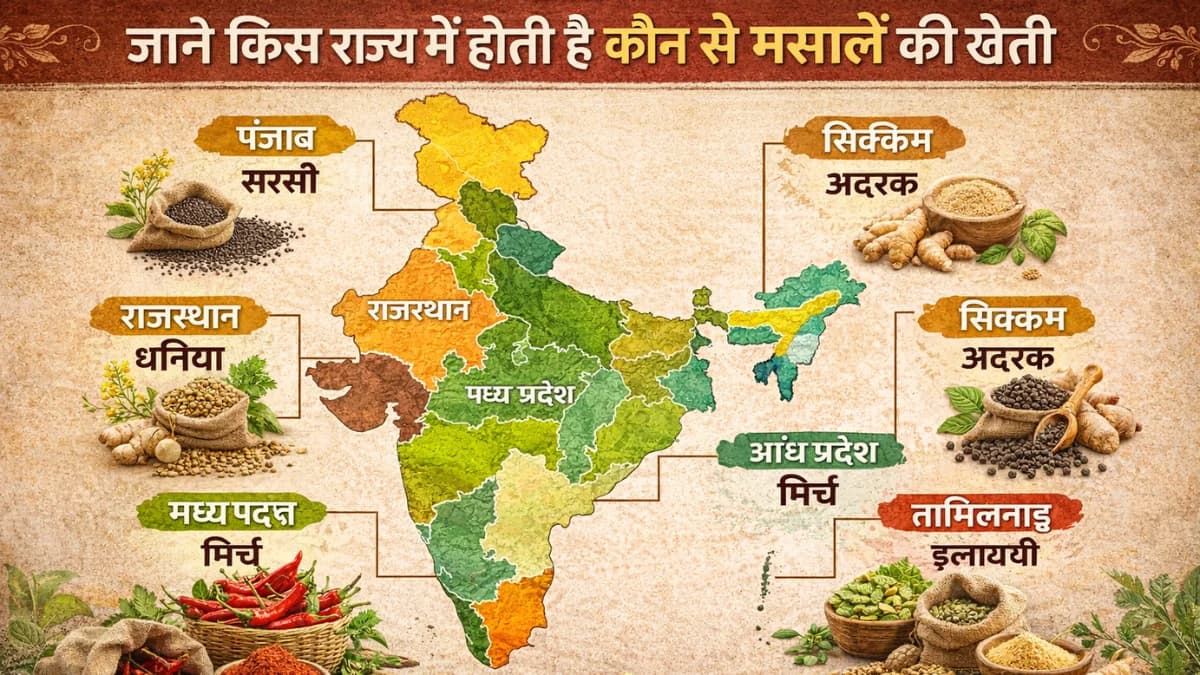
India has one of the largest numbers of organic farmers in the world. States such as Sikkim have completely adopted organic agriculture, while Madhya Pradesh, Rajasthan and Maharashtra are also promoting organic farming on a large scale.
Government schemes like the Paramparagat Krishi Vikas Yojana (PKVY) and MOVCDNER support farmers who want to adopt organic farming practices.
Common organic farming practices include composting, crop rotation, use of bio-fertilizers, natural pest control and efficient water management techniques.
Although organic farming may initially produce lower yields, it offers long-term benefits such as improved soil fertility, premium prices for organic products and sustainable agriculture.
Frequently Asked Questions
What is organic farming?
Organic farming is an agricultural system that avoids chemical fertilizers and pesticides and relies on natural farming methods.
Which states practice organic farming in India?
Sikkim, Madhya Pradesh, Rajasthan, Maharashtra and Uttarakhand are major organic farming states.
Tags
- organic farming
- ऑर्गेनिक खेती
- organic agriculture india
- natural farming
- organic fertilizer